


Weight Management
Weight Management Telehealth Resources and Care Options
Managing weight can involve habits, health conditions, and medications. This category page brings together Weight Management resources for patients and caregivers. Browse practical reading on medical weight loss, nutrition support, and follow-up planning. Find guidance that also considers diabetes risk, PCOS, and chronic pain. Many people start here to compare care paths before booking a visit.
Some people also explore care when insurance coverage is limited. This collection includes administrative basics for cash-pay options, often without insurance. For background on virtual care, see What Can Telehealth Treat.
Weight Management What You’ll Find
This collection focuses on common weight-related care questions and next steps. It includes explainers on lifestyle changes and clinical options. It also covers how virtual visits can support follow-up and accountability. For a visit-focused overview, review Telehealth For Weight Loss.
Readers will also see context on obesity medicine and how clinicians assess safety. That often includes reviewing current medicines and major health conditions. It can also include discussion of metabolic health and weight. Medispress connects patients with licensed U.S. clinicians for telehealth evaluation.
Quick tip: Keep an updated medication and allergy list in one note.
- Telehealth visit preparation and common questions
- Nutrition counseling and meal planning frameworks
- Behavior and stress tools that support routines
- Medication classes used in medical weight loss
- Condition-specific considerations, like diabetes risk or PCOS
How to Choose
Comparing resources can feel overwhelming, especially with online claims. Use this checklist to sort options and plan discussions. This section frames Weight Management decisions in plain language. It avoids one-size-fits-all advice and focuses on informed questions.
Match the approach to health history
- Clarify goals, like appetite control, energy, or mobility support.
- List key conditions, including diabetes, sleep apnea, or PCOS.
- Note current medications that may affect weight or appetite.
- Look for support that fits life patterns and caregiver needs.
- Prefer programs that include follow-up and realistic maintenance planning.
Know what each service can provide
- Nutrition counseling may focus on meal patterns and portion strategies.
- Behavioral therapy may target triggers, sleep, and stress responses.
- Obesity medicine visits may review labs and medication options.
- Physical activity plans often start with safe, sustainable movement.
- Some people also discuss bariatric surgery options for long-term care.
Many people benefit from learning how virtual care works first. These guides can help with planning and expectations: Top Questions To Ask and Prepare For Telehealth Appointment.
Safety and Use Notes
Weight-related care can include lifestyle medicine, prescription tools, and supplements. Safety considerations vary by age, pregnancy status, and medical history. Some approaches can affect blood sugar, heart rate, mood, or digestion. That is why neutral screening questions matter before starting anything new.
GLP-1 weight loss medications, including semaglutide for weight loss and tirzepatide for weight loss, require a prescription. They can cause side effects and have contraindications. For general healthy-weight guidance, see this neutral overview from CDC Healthy Weight.
Why it matters: Weight treatments can interact with other conditions and medicines.
- Avoid sources that promise guaranteed results or “no side effects.”
- Use caution with compounded or unverified products sold online.
- Ask how follow-up works if side effects occur or goals change.
- Discuss mental health, binge eating, or disordered eating history.
- Consider mobility limits and pain triggers when planning activity.
For deeper context on obesity-focused care, browse Telehealth Obesity Medicine. For food planning support, see Virtual Nutrition Counseling.
Access and Prescription Requirements
Some weight-related options are educational, while others require clinician oversight. Prescription medications and certain devices must follow state and federal rules. When prescriptions are involved, pharmacies typically verify the prescription and dispense through licensed channels. Medispress appointments happen by video through a secure, HIPAA-compliant app.
People also ask how online prescribing works in general. This explainer covers common steps and documentation needs: Prescriptions Online Through Telehealth.
- Expect identity and health-history verification during clinical intake.
- Bring a current medication list, including supplements and vitamins.
- Some conditions may require recent vitals or lab results.
- Not every concern fits telehealth, and referrals may be appropriate.
- Cash-pay access may be available, often without insurance involvement.
For pharmacy safety basics, review FDA BeSafeRx guidance on online pharmacies.
Related Resources
Many people connect weight concerns to broader health goals. Browsing related pages can help organize next questions and follow-up care. For condition-aligned browsing, see Overweight. For specialty-based navigation, explore Weight Loss Specialty, Chronic Disease Management, and Diabetes Prevention And Management.
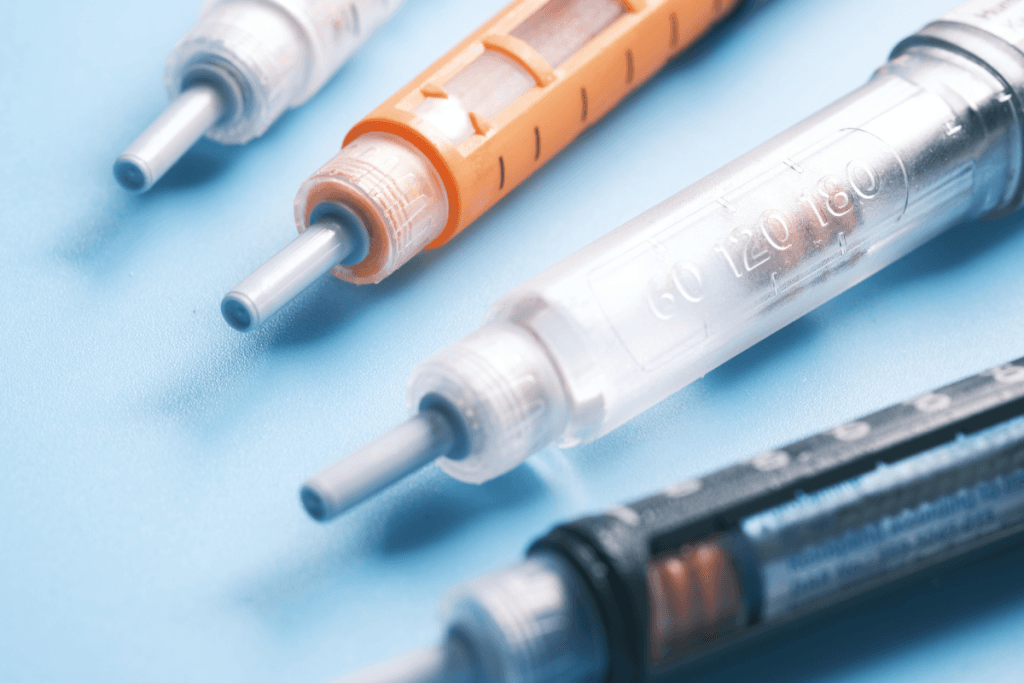
Planning for visits can also reduce stress and missed details. If video setup is a concern, review Tech Troubles Tips. For injection-related questions discussed in some visits, see Weight Loss Injections Via Telehealth.
This content is for informational purposes only and is not a substitute for professional medical advice.


November 14, 2025
Telehealth Obesity Medicine: What Virtual Care Looks Like
Telehealth obesity medicine blends medical weight care with the convenience of virtual visits. For many people, the hardest part of weight management is not motivation. It is finding consistent, realistic…
September 22, 2025
How To Get Mounjaro For Weight Loss Safely: Key Steps
Interest in GLP-1–based medicines has grown fast. Many people want clear, safe information before they act. If you are researching how to get Mounjaro for weight loss, it helps to…
September 19, 2025
How to Break a Weight Loss Plateau With Telehealth Support
Getting “stuck” after early progress can feel personal, but it’s common. A plateau usually means your results no longer match your effort, at least on the scale. Learning how to…
September 17, 2025
Can You Reverse Type 2 Diabetes With Lifestyle Changes
Many people hear “type 2 diabetes” and immediately wonder: can you reverse type 2 diabetes? The honest answer is nuanced. There is no single, permanent “cure” that fits everyone. But…
September 15, 2025
7-Day Meal Plan for Prediabetes With Simple, Steady Meals
Prediabetes can feel confusing at first. You may hear “cut carbs” and “eat better,” but get few specifics. A practical 7-day meal plan for prediabetes helps you make fewer daily…
September 3, 2025
How To Get Weight Loss Injections Through Telehealth Safely
Many people exploring medical weight management start with one practical question: how to get weight loss injections in a way that is safe, legitimate, and medically supervised. Telehealth can make…
September 1, 2025
Mounjaro vs Ozempic: Key Differences For Diabetes And Weight
If you’re weighing options for type 2 diabetes care or weight management, you’ve probably seen the Mounjaro vs Ozempic comparison. The names show up in headlines, social feeds, and clinic…
August 18, 2025
Virtual Nutrition Counseling Basics for Telehealth Visits
Nutrition advice is everywhere, and it often conflicts. Add a busy schedule, and eating well can feel like a moving target. virtual nutrition support can make things simpler by turning…
August 11, 2025
Benefits Of Ozempic For Weight Loss And Diabetes: Basics
Ozempic (semaglutide) often comes up when weight and blood sugar overlap. It is a prescription medicine for type 2 diabetes. Some people also use it off-label for weight management under…
July 25, 2025
How to Lose Weight Fast With 7 Daily Habits That Stick
Trying to figure out how to lose weight fast can feel like sorting through noise. Social posts promise “detoxes,” forums recommend extremes, and your schedule stays busy. The truth is…








Frequently Asked Questions
What topics are included on this Weight Management category page?
This category page groups educational reading and navigation links related to weight concerns. Topics often include nutrition counseling, behavior change strategies, and medical weight loss discussions. Some pages cover obesity medicine and prescription basics at a high level. Others focus on visit preparation, follow-up planning, and safe online care. The goal is to make browsing easier for patients and caregivers.
How do I know which resource to read first?
Start with the page that matches the main question. Visit-prep guides help when a telehealth appointment is already planned. Nutrition or behavior pages can help when routine and support feel unclear. Obesity medicine explainers can help when prescription options feel confusing. Condition-linked pages may help when diabetes risk, PCOS, or pain also matters. Skim headings first, then save the most relevant links.
Can telehealth be used for medical weight loss discussions?
Telehealth can support many weight-related conversations, including history review, goal setting, and follow-up planning. Clinicians may review current medications and health conditions that affect weight. When clinically appropriate, a clinician may coordinate prescription options with partner pharmacies. Some concerns still require in-person care, testing, or specialist referral. The best fit depends on symptoms, safety considerations, and local rules.
What should be prepared before a weight-focused telehealth visit?
A clear medication list helps, including supplements and vitamins. Recent vitals, if available, can also help clinicians understand trends. Notes about eating patterns, sleep, stress, and activity can make the conversation more specific. It can also help to list goals and barriers, like pain or schedule limits. For site actions, keep login details ready and test video and audio beforehand.
How can medication information be interpreted safely when browsing online?
Online medication information can be incomplete or overly promotional. Prefer resources that describe indications, common side effects, and key warnings without making promises. Prescription medicines used in weight care can interact with other conditions and medications. Official sources, including FDA pages and prescribing information, help confirm claims. Any decision about starting, stopping, or changing a medication should come from a licensed clinician.